
Thermal Transfer Ribbons
The Right Ribbon Makes All the Difference
Choosing the right thermal transfer ribbon isn't simply a matter of selecting wax, wax/resin, or resin. The right ribbon depends on your printer, label material, printing environment, durability requirements, and what the finished label needs to withstand.
PaladinID helps take the guesswork out of thermal transfer printing. With decades of experience solving labeling and printing challenges, we can help you match the right ribbon to your printer, label material, and application.
From everyday barcode labels to demanding industrial applications requiring resistance to abrasion, chemicals, moisture, and heat, we'll help you find the combination that works.
Are You Using the Right Thermal Transfer Ribbon?
Many companies know the ribbon part number they purchase but don't necessarily know the ribbon formulation—or whether it is still the best choice for their application.
That matters.
Using the wrong ribbon can contribute to:
- Poor or inconsistent print quality
- Barcodes that are difficult to scan
- Smearing or scratching
- Premature printhead wear
- Excessive printhead heat
- Ribbon wrinkling
- Poor adhesion of the printed image to the label
- Unnecessary ribbon costs
- Downtime and repeated printer adjustments
The goal isn't to sell you the most expensive ribbon. The goal is to find the ribbon that produces the print quality and durability your application requires while running reliably in your printer.
That's where PaladinID can help.
Three Types of "Flat Head" Thermal Transfer Ribbons
A flat head printer is your typical Zebra, Datamax, Sato, and Printronix models. Most traditional thermal transfer ribbon applications fall into three primary categories: wax, wax/resin, and resin.
Wax Thermal Transfer Ribbons
Wax ribbons are the most common and economical thermal transfer ribbon formulation. They are primarily used with paper labels and tags where excellent barcode, text, and graphic print quality is required without extreme resistance to abrasion or chemicals.
Common applications include shipping and receiving, warehousing, inventory control, retail labels, distribution, carton identification, and general-purpose barcode labeling.
For many everyday labeling applications, a properly matched wax ribbon provides excellent performance at an economical cost.
Wax/Resin Thermal Transfer Ribbons
Wax/resin ribbons provide increased durability compared with traditional wax ribbons. They are commonly used with coated papers and synthetic label materials such as polypropylene when greater resistance to scratching, abrasion, moisture, or chemicals is required.
Common applications include product identification, manufacturing, healthcare, pharmaceutical labeling, inventory tracking, polypropylene labels, and applications requiring increased abrasion resistance.
Wax/resin is often the ideal middle ground between economical wax and high-performance full resin ribbons.
Resin Thermal Transfer Ribbons
Full resin ribbons are designed for demanding applications where print durability is critical. They are commonly paired with polyester and other synthetic label materials to produce an extremely durable printed image.
Depending on the ribbon and label combination, resin ribbons can provide excellent resistance to abrasion, chemicals, moisture, oils, solvents, heat, and repeated handling.
Common applications include industrial manufacturing, automotive, electronics, chemical labeling, laboratory identification, asset tracking, and harsh-environment labeling.
Near-Edge Thermal Transfer Ribbons
High-Speed Printing Requires Different Ribbon Technology
Not every thermal transfer printer uses traditional flat-head technology. Near-edge thermal transfer printers are designed differently and require ribbons specifically engineered for near-edge printing.
Near-edge technology is commonly used in high-speed production environments where variable information must be printed quickly and reliably onto labels, films, flexible packaging, and other materials.
Common near-edge applications include:
- High-speed packaging lines
- Flexible packaging
- Food packaging
- Date and lot coding
- Product identification
- Print-and-apply systems
- Manufacturing
- Distribution and logistics
Near-Edge Wax/Resin Ribbons
Near-edge wax/resin ribbons provide an excellent combination of print speed, image quality, durability, and economy.
They are designed specifically for the rapid heating and cooling characteristics of near-edge printheads and can be used on a variety of coated papers, films, and packaging materials.
Near-Edge Full Resin Ribbons
Near-edge full resin ribbons are designed for high-speed applications that also require maximum printed-image durability.
Depending on the ribbon and substrate combination, they can provide excellent resistance to abrasion, chemicals, moisture, heat, oils, and other challenging environmental conditions.
When your production line needs both speed and durability, a near-edge full resin ribbon may be the right solution.
Flat-Head vs. Near-Edge Thermal Transfer Printing
Understanding which printhead technology your printer uses is important when selecting a ribbon.
Flat-Head Printing
Traditional flat-head thermal transfer printers keep the ribbon and label material in contact with the printhead for a longer period before separating.
This technology is widely used in desktop, industrial, and high-performance barcode label printers and typically uses wax, wax/resin, or resin ribbons.
Near-Edge Printing
Near-edge printheads are positioned at an angle near the edge of the printhead assembly. The ribbon separates from the substrate very quickly after printing.
This design allows near-edge printers to operate at very high speeds, but it also requires ribbons formulated specifically for the rapid energy transfer and release characteristics of the printer.
A standard flat-head ribbon should not automatically be substituted for a near-edge ribbon. If you're unsure which technology your printer uses, PaladinID can help identify it.
What Are CSI and CSO Thermal Transfer Ribbons?
Another important consideration when ordering thermal transfer ribbons is how the ribbon is wound.
Coated Side In — CSI
CSI means Coated Side In. The inked side of the ribbon faces toward the inside of the roll.
Coated Side Out — CSO
CSO means Coated Side Out. The inked side of the ribbon faces toward the outside of the roll.
Different thermal transfer printers require different ribbon wind directions. Ordering the correct ribbon formulation but the wrong wind direction can mean the ribbon will not work properly in your printer.
If you aren't sure whether your printer requires CSI or CSO ribbons, give us the printer manufacturer and model and we'll help you determine the correct configuration.
Ribbon Size Matters Too
Choosing the correct ribbon formulation is only part of selecting a thermal transfer ribbon. The ribbon also needs to be properly sized for your printer and label.
Important considerations include:
- Ribbon width
- Ribbon length
- Core size
- CSI or CSO wind direction
- Printer make and model
- Label width
Whenever possible, the ribbon should be slightly wider than the label material being printed. Proper ribbon sizing helps protect the printhead while providing consistent print quality across the label.
What Is a Clean Start Ribbon Leader?
A clean printhead is critical to consistent thermal transfer printing. Dust, adhesive residue, label debris, and other contaminants can accumulate around the printhead and contribute to poor print quality or premature printhead wear.
Clean Start ribbon technology incorporates a cleaning section into the ribbon leader that helps remove contaminants from the printhead when a new ribbon is installed.
It's a simple feature that can help support better print quality and printhead maintenance.
Ask PaladinID about Clean Start ribbon options for your printer.
Your Label and Ribbon Need to Work Together
One of the most important—and frequently overlooked—parts of thermal transfer printing is matching the ribbon to the label material.
A great ribbon paired with the wrong label material can still produce poor results. Likewise, changing your label material without evaluating your ribbon can change print quality and durability.
The ribbon, label facestock, printer, printhead, adhesive, printing environment, and end-use conditions should be considered together.
That is why PaladinID approaches thermal transfer applications as a complete labeling system rather than simply selling a box of ribbons.
Common Thermal Transfer Ribbon Problems
Having trouble with your thermal transfer printer? The ribbon isn't always the problem—but it is one of the first things worth evaluating.
Print Is Too Light
Possible causes can include an incorrect ribbon formulation, insufficient printhead energy, excessive print speed, poor ribbon-to-label compatibility, or printhead condition.
Print Smears or Scratches Off
The ribbon may not provide enough durability for the label material or application. Moving from wax to wax/resin—or from wax/resin to resin—may help, but the label material should also be evaluated.
Ribbon Wrinkles
Ribbon wrinkles can result from ribbon loading, printhead alignment, ribbon width, printer settings, mechanical issues, or an incorrect ribbon configuration.
Ribbon Breaks
Excessive heat, incorrect tension, printer condition, or ribbon compatibility can contribute to ribbon breakage.
Barcodes Don't Scan Reliably
Poor barcode scanning can result from insufficient print contrast, incorrect printer settings, printhead problems, label material, ribbon compatibility, or barcode design.
Rather than simply changing ribbons, PaladinID can help evaluate the entire printing application.
Can the Right Ribbon Help Extend Printhead Life?
Your thermal printhead is one of the most important—and expensive—components of a thermal transfer printer.
Running excessive heat, using contaminated supplies, poor-quality materials, or an improperly matched ribbon can contribute to premature printhead wear.
The objective should be to produce the required print quality at the lowest practical printhead energy. Matching the label and ribbon correctly can help you achieve consistent printing without unnecessarily increasing heat.
How Do I Choose the Right Thermal Transfer Ribbon?
You don't need to become a ribbon expert. That's our job.
When helping determine the right ribbon, we'll typically look at:
- Printer manufacturer and model
- Current ribbon part number
- Label material
- Label width
- Printing speed
- Print darkness or heat settings
- Barcode requirements
- Abrasion resistance
- Chemical exposure
- Moisture exposure
- Temperature requirements
- Outdoor exposure
- Expected label life
- Application environment
Sometimes the ribbon you're already using is exactly what you need. Other times, a different formulation can improve print quality, durability, printer performance, or overall cost.
Need Help Identifying Your Current Ribbon?
If all you have is a ribbon part number, send it to us.
In many cases, PaladinID can help determine the ribbon size, formulation, wind direction, and compatible printer models and recommend an appropriate replacement.
Even better, tell us about the application. Knowing what you're printing and what the finished label needs to withstand allows us to look beyond simply matching a part number.
Thermal Transfer Ribbon FAQs
1. What are the three main types of thermal transfer ribbons?
The three primary formulations are wax, wax/resin, and resin. Wax is generally used for economical paper-label applications, wax/resin provides increased durability for coated papers and synthetics, and resin provides the highest level of durability for compatible synthetic materials and demanding environments.
2. What is the difference between wax and wax/resin ribbon?
Wax/resin ribbons generally provide greater resistance to scratching, smearing, moisture, and chemicals than standard wax ribbons. Wax ribbons are typically more economical and work extremely well for many general-purpose paper-label applications.
3. When should I use a full resin ribbon?
Full resin ribbons are typically used when printing on compatible synthetic materials such as polyester and when the printed image must withstand significant abrasion, chemicals, moisture, heat, or other demanding conditions.
4. Can I use a resin ribbon on paper labels?
Sometimes, but that doesn't mean it is the best choice. Ribbon performance depends on the coating and surface characteristics of the label material. Using a more expensive ribbon does not automatically produce better results.
5. What is a near-edge ribbon?
A near-edge ribbon is specifically formulated for printers using near-edge printhead technology. These printers typically operate at high speeds and require ribbons capable of rapidly transferring the printed image and releasing from the substrate.
6. Are there different types of near-edge ribbons?
Yes. Two primary categories are near-edge wax/resin and near-edge full resin ribbons. The appropriate formulation depends on the substrate, printing conditions, speed, and durability requirements.
7. Can I use a regular thermal transfer ribbon in a near-edge printer?
You should use a ribbon specifically designed and qualified for the printer's printhead technology. Flat-head and near-edge printing have different performance characteristics, so ribbons should not automatically be considered interchangeable.
8. What do CSI and CSO mean?
CSI means Coated Side In and CSO means Coated Side Out. These terms describe which direction the inked coating faces on the ribbon roll. Your printer determines which configuration is required.
9. How wide should my thermal transfer ribbon be?
The ribbon should generally be slightly wider than the label material. This helps provide complete print coverage and can help prevent the label material from contacting and prematurely wearing the printhead.
10. Why does my thermal transfer print scratch off?
The ribbon may not be properly matched to the label material or durability requirements. Printer settings can also affect image durability. PaladinID can help evaluate the ribbon, label material, and printer settings together.
11. Why is my thermal transfer ribbon wrinkling?
Ribbon wrinkles can have several causes, including improper loading, ribbon width, tension, printhead alignment, printer settings, worn components, or the ribbon itself. The entire printing system should be evaluated before assuming the ribbon is defective.
12. How do I know which ribbon fits my printer?
Provide PaladinID with the printer manufacturer and model. We can help determine the appropriate ribbon dimensions, core size, wind direction, and ribbon formulations available for your printer.
13. Can PaladinID match a ribbon using my current part number?
Yes. If you have a manufacturer's ribbon part number, send it to us. We can help identify the specifications and determine the appropriate ribbon for your printer and application.
14. Should I choose a ribbon based only on price?
No. Ribbon cost is only one part of the total printing cost. Print quality, printhead life, downtime, printing speed, label durability, and waste should also be considered.
The lowest-cost ribbon isn't always the least expensive ribbon to use.
Stop Guessing Which Ribbon You Need
You don't need to sort through hundreds of ribbon formulations trying to determine which one will work.
Tell us what printer you're using, what label material you're printing, and what the finished label needs to withstand.
We'll work backward from your application and help you find the right label and ribbon combination.
Let’s Talk!
Have a thermal transfer ribbon question, need help cross-referencing a ribbon, or have a difficult printing application? Put PaladinID's decades of labeling experience to work.
Call 888.972.5234,
Email us,
or schedule a
Discovery Call.
PaladinID—Solutions That Stick.
Each ribbon is designed to work with a specific class of label materials, depending on the application. There is a label and ribbon marriage that takes place, meaning it is crucial to choose the right printer ribbon for the label stock and application you require. If not, then your labels could underperform, or you could overpay for what you need.

FREE REPORT
Unlock The Secrets To Finding The Perfect Label Supplier
Avoid the mistakes many companies make when sourcing their labels
You Might Also be Interested in ...
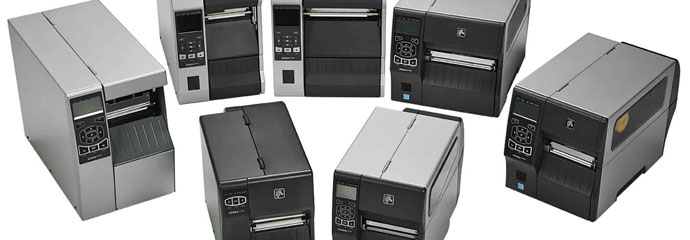
Thermal Transfer Printers
Our main line of thermal transfer printers is from Zebra Technologies. We can provide you with any of the other label printer manufacturers as well.
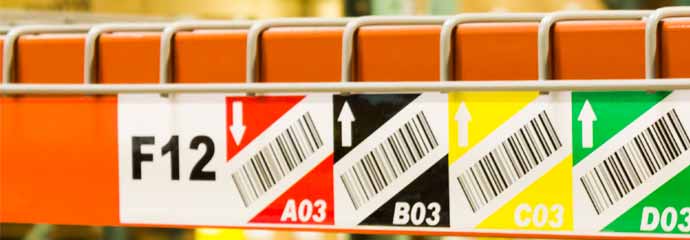
Warehouse Labels
Would you like to make your warehouse more efficient? We can help! We offer a full-service solution to any warehouse labeling challenge.
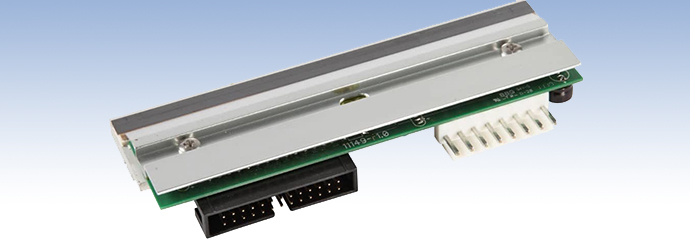
Replacement Printheads
We carry replacement thermal transfer and flexible packaging printheads for every printer on the market. From branded to non-branded printheads.

Barcode Labeling Software
Did you know we sell and support the bar code labeling software from Seagull Scientific called BarTender For Windows.
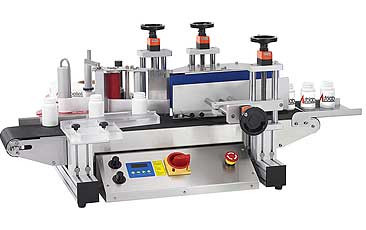
Label Accessories
Looking to reduce your labor costs when it comes to applying labels? This new product line is designed to make your label application process more efficient, lower the cost of labor and not break the bank.

Integrated Labels
Are you using integrated label forms at your company? Did you know we stock over 18 integrated label forms for immediate shipment.
Contact Us to Find Out More...